San Francisco’s rich history unfolds through its diverse neighborhoods and iconic structures. From military installations turned recreational havens to man-made islands with spectacular views, the City by the Bay offers countless stories waiting to be discovered.
- Baker Beach
- Treasure Island
- Chase Center
- Coit Tower
- Oracle Park
- Chinatown
- Civic Center
- Fisherman’s Wharf
- Welcome Tower
- The Castro District
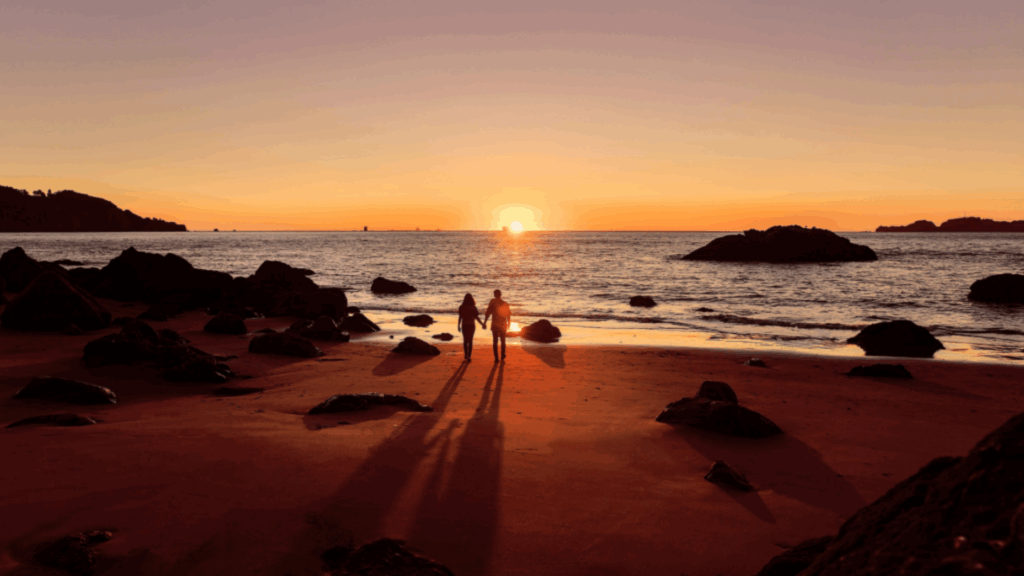
Baker Beach: The Hidden Military History Behind SF’s Most Instagram-Worthy Sunset Spot
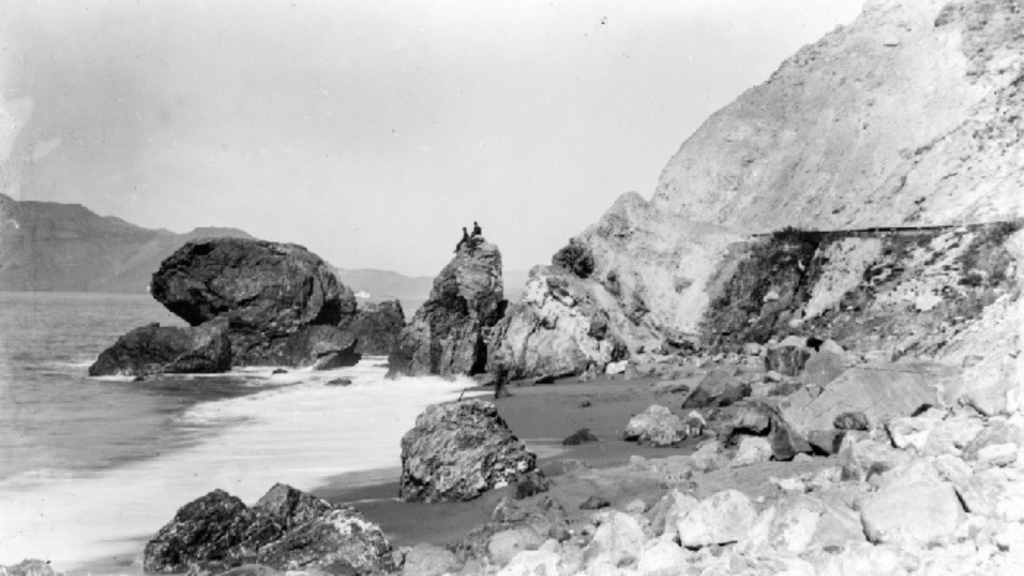
Baker Beach, 1890. Photo credit: opensfhistory.org
Originally part of the Presidio military base in the 1890s, Baker Beach served as coastal defense until careless campfires led to devastating cliff fires. Incorporated into the national park system in 1997, beach fires are now permanently banned. Swimming is also prohibited following a tragic 1959 shark attack that claimed the life of San Francisco State student Albert Kogler.
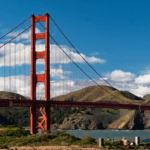
Baker Beach holds the unique distinction of being Burning Man’s birthplace – the first event took place here in 1986 with an 8-foot wooden figure. Today, visitors flock here for breathtaking sunset views and iconic Golden Gate Bridge photography opportunities.
Top 5 Most Interesting Facts About Baker Beach:
- Used to be a Military Base in the 1890s as part of the Presidio
- History of Shark Attacks led to permanent swimming bans
- Birthplace of Burning Man festival in 1986
- Popular View of the Golden Gate Bridge for photographers
- Gorgeous Sunset Views accessible via 0.5 mile walk
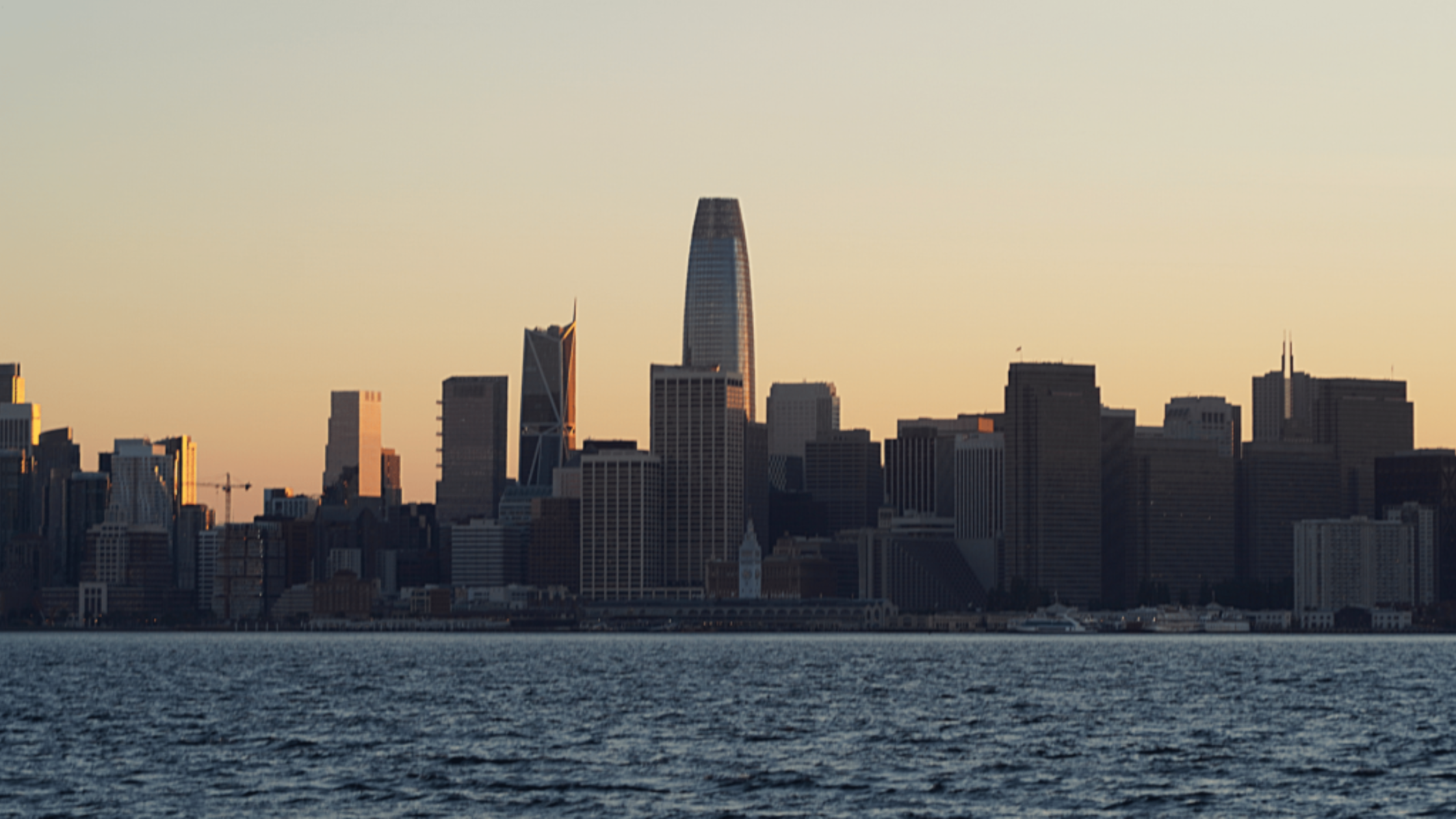
Treasure Island: The Man-Made Paradise with the Best Views of San Francisco Skyline
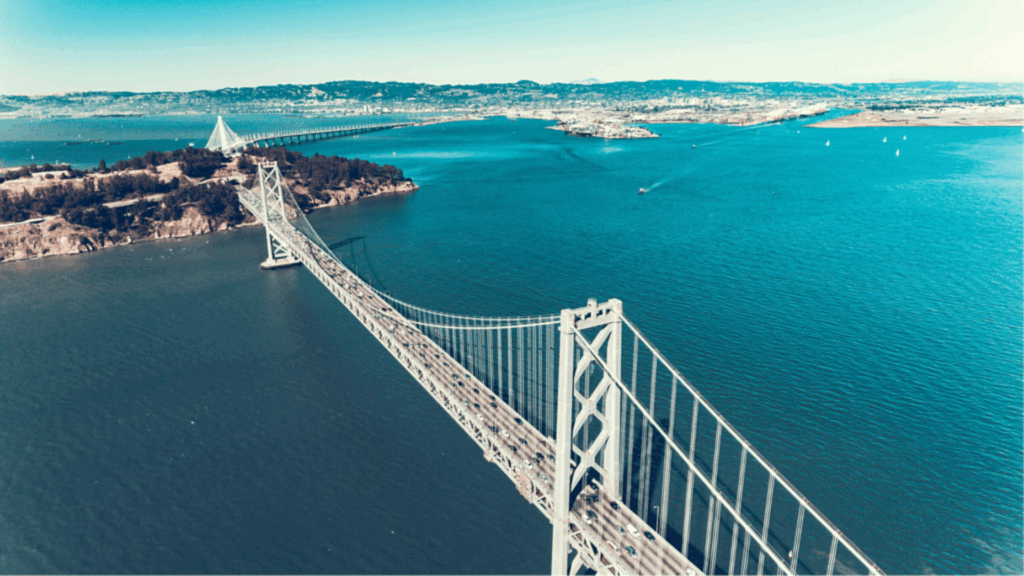
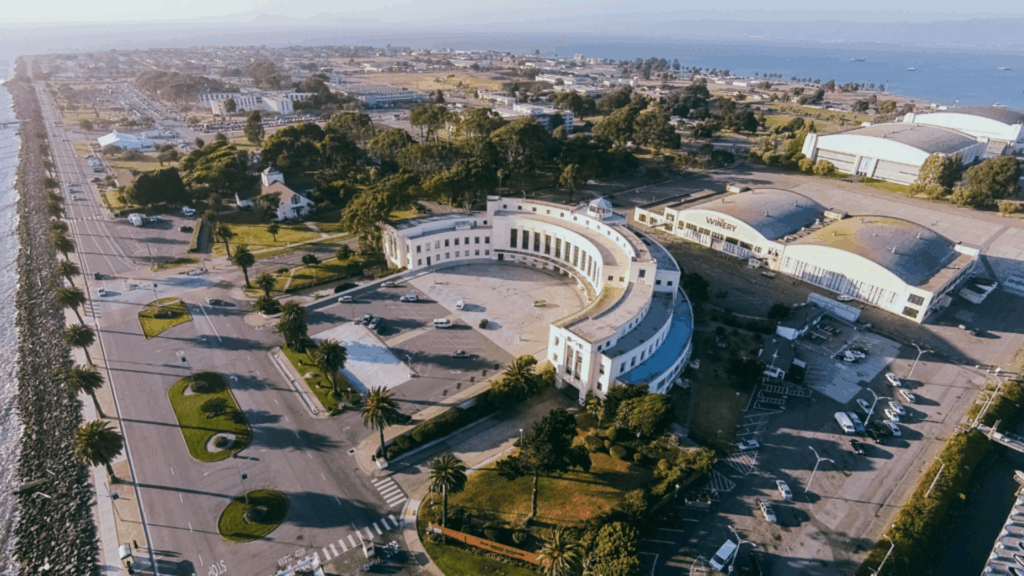
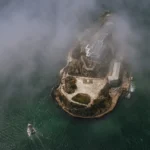
Built between 1936-1937 by the U.S. Army Corps of Engineers using over 300,000 tons of boulders, this 404-acre artificial island was created for the Golden Gate International Exposition. Urban legends claim millions in gold dust were dredged up during construction, inspiring its evocative name.
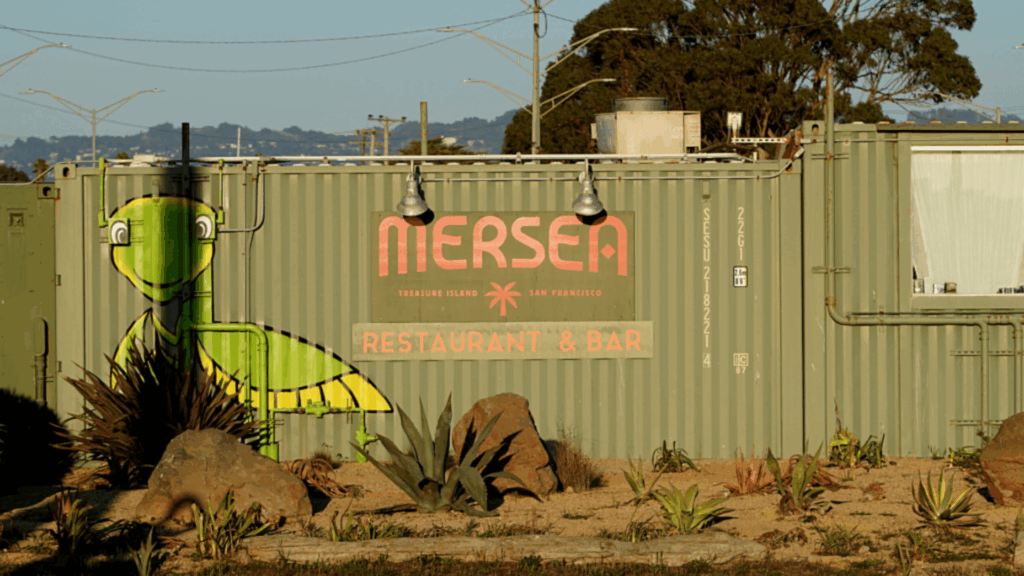
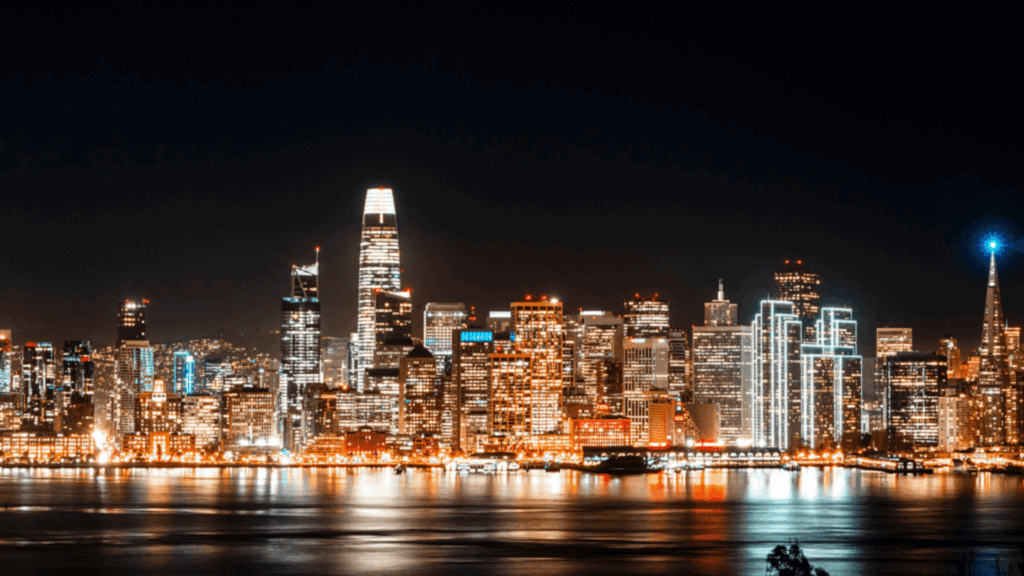
Originally planned as San Francisco’s future airport, World War II changed everything when the Navy commandeered the island, trading it for Mills Field (now SFO). After serving as a naval base until 1996, Treasure Island now offers museums, concerts, art shows, flea markets, and Mersea Restaurant – one of the Bay Area’s finest dining establishments with stunning city views.
Activities on Treasure Island Today:
- Treasure Island Museum visits
- Live concerts and art shows
- Flea markets and food truck festivals
- Wine tasting experiences
- Sailing school classes
- Dining at Mersea Restaurant with panoramic city views
Chase Center: Everything You Need to Know About the Warriors’ High-Tech Arena
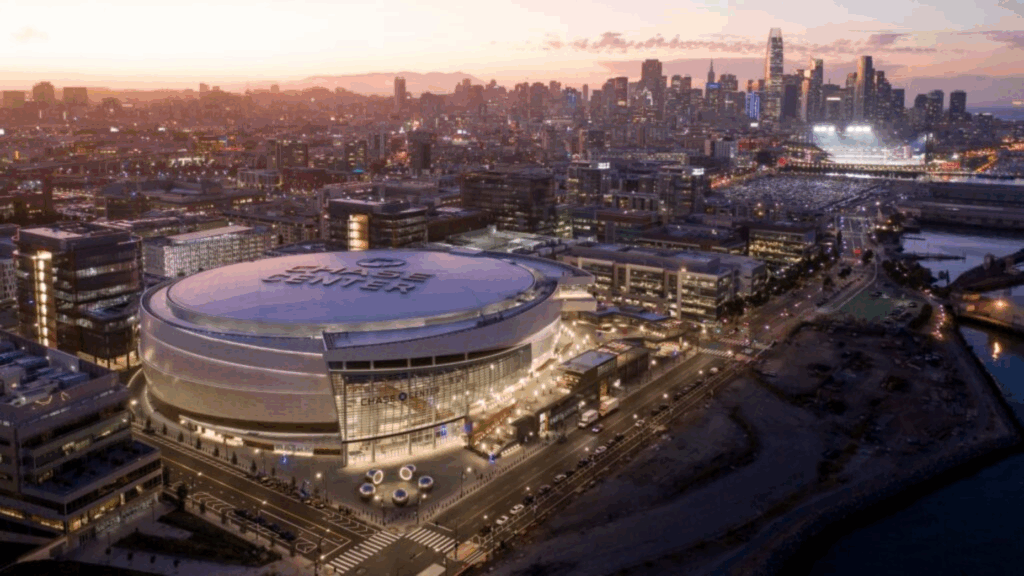
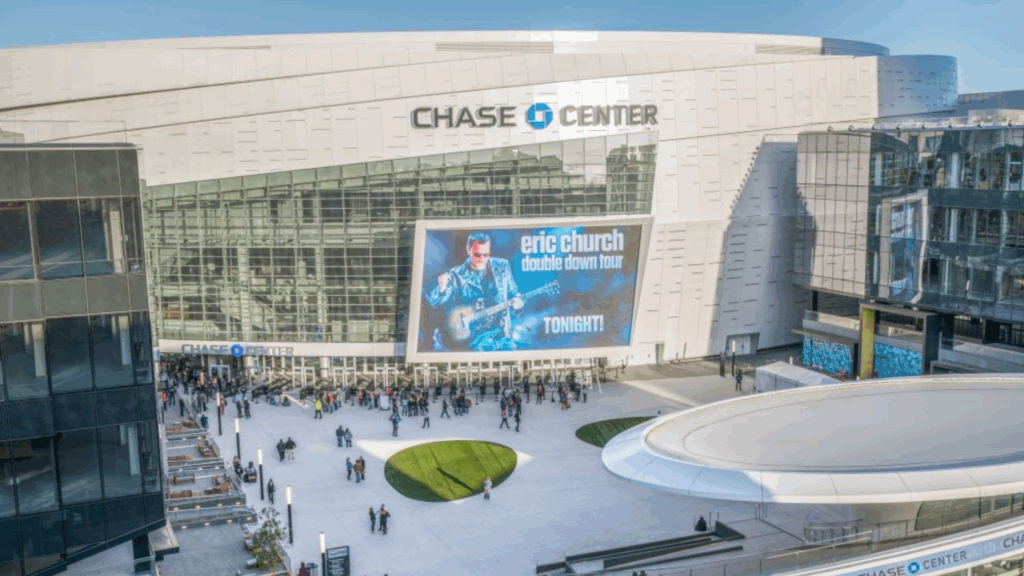
Home to the Golden State Warriors, Chase Center opened September 6, 2019, with a memorable Metallica and San Francisco Symphony concert. After community opposition killed the original waterfront plans, the Warriors purchased a 12-acre Salesforce.com site in Mission Bay.
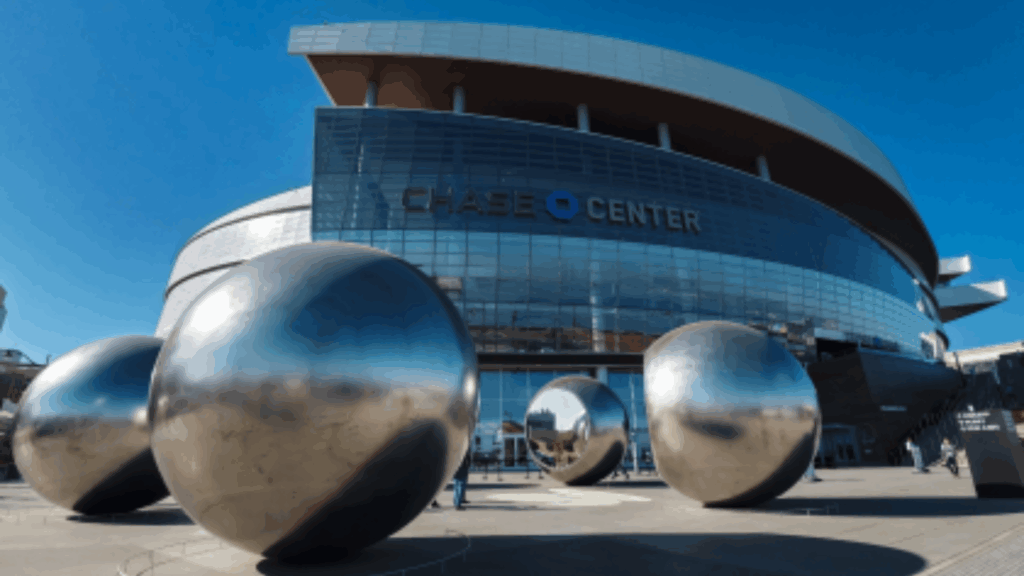
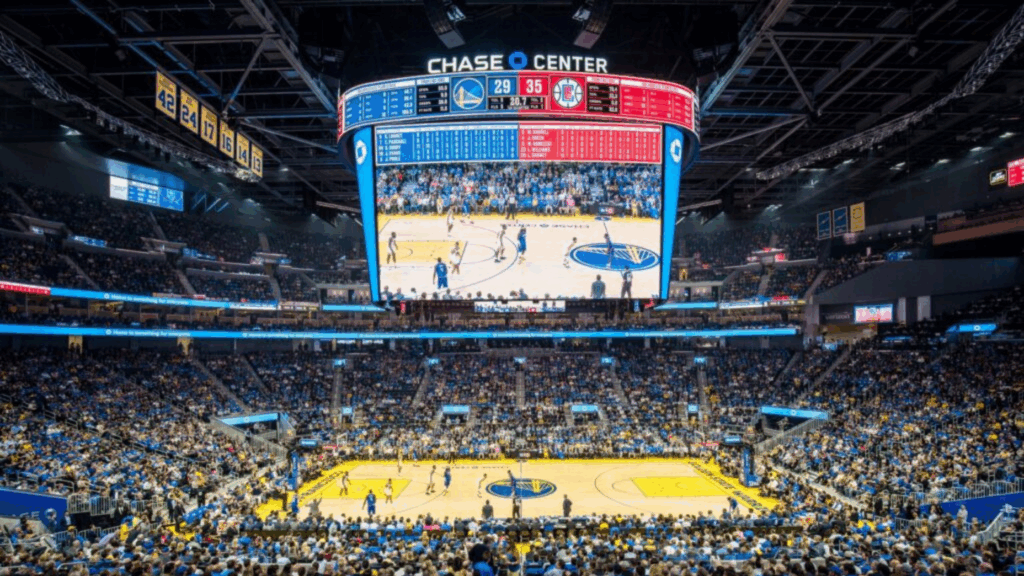
The arena accommodates 18,064 basketball fans or 19,500 concert-goers and features the NBA’s largest retractable scoreboard with over 9,500 square feet of LED space. Outside sits “Seeing Spheres” by Olafur Eliasson – five 15.5-foot polished steel spheres creating unique reflection experiences.
Chase Center Impressive Statistics:
- 11 acres make up Chase Center and Thrive City
- Nearly 200 events hosted per year
- 3.2 acres of publicly accessible plazas and open space
- 18,000+ seats for various events
- 8 full kitchens serving the venue
- 23 bars throughout the facility
- 552 taps for beverage service
- Over 20 restaurants and retailers in Thrive City
- 36 eateries total
- 136 premium spaces (suites, lounges, theater boxes)
- 274,000 linear feet of beer line
- 1,111 TVs throughout the venue
- 425 toilets for guest convenience
Coit Tower: A 210-Foot Landmark Honors San Francisco’s Volunteer Firefighters
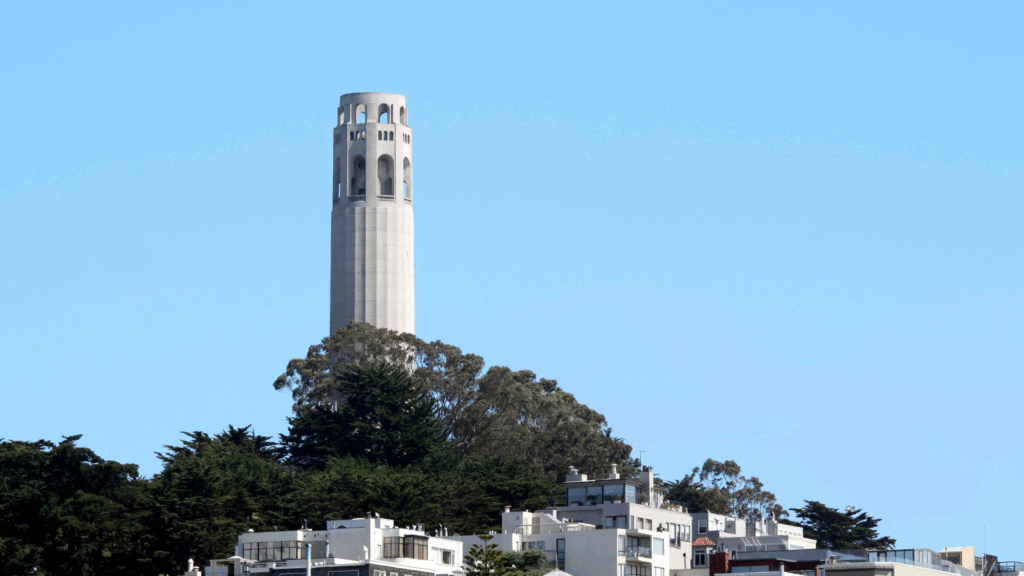
Built in 1933 atop Telegraph Hill with funds from eccentric socialite Lillian Hitchcock Coit, this 210-foot Art Deco tower honors San Francisco’s volunteer firefighters. Coit became the Knickerbocker Engine Company’s mascot at age fifteen after helping push their engine uphill during a fire, signing her name as “Lillie Hitchcock Coit Knickerbocker” thereafter.
The tower houses striking 1934 fresco murals depicting Great Depression struggles – considered California’s finest Depression-era public art. Telegraph Hill earned its name from the 1850 semaphore (marine telegraph) that alerted residents to approaching ships before the transcontinental railroad’s completion in 1869.
Key Coit Tower Features:
- Design and Architecture: Art deco style by architects Arthur Brown Jr. and Henry Howard, crafted from unpainted reinforced concrete
- Fresco Murals: 1934 Depression-era public art depicting discontent and hope of the Great Depression
- Telegraph Hill Location: 295-foot elevation providing breathtaking San Francisco views
- Pioneer Park: Established in 1876 to celebrate the United States Centennial, featuring a bronze Christopher Columbus statue gifted by the Italian-American community in 1957
- Lillian Hitchcock Coit Legacy: Eccentric patron who left $118,000 bequest in 1929 to honor her firefighting friends
Oracle Park: The Giants’ Dream Ballpark by the Bay
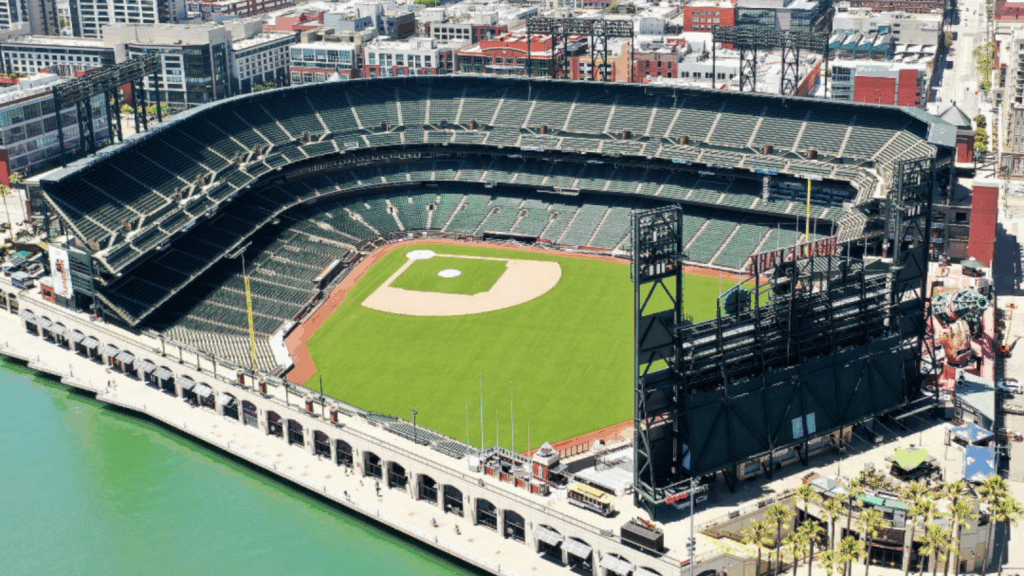
Opening March 31, 2000, Oracle Park replaced the notorious wind-whipped Candlestick Park where San Francisco Giants fans braved 40 years of swirling winds and cold. The 42,000-seat stadium sits along San Francisco Bay, where McCovey Cove (named for first baseman Willie McCovey) has witnessed 81 “splash hits” since opening – Barry Bonds contributed 35 of them.
Notable features include the 80-foot Coca-Cola bottle with slides and miniature stadium replica, plus the giant 1927 baseball glove representation. The stadium celebrated Giants World Series championships in 2010, 2012, and 2014 with spectacular city-wide victory parades.
Oracle Park Name Evolution:
- Originally named Pacific Bell Park (2000)
- Renamed SBC Park (2004)
- Became AT&T Park (2006)
- Current name Oracle Park (2019)
San Francisco Chinatown: America’s Oldest Chinese Community
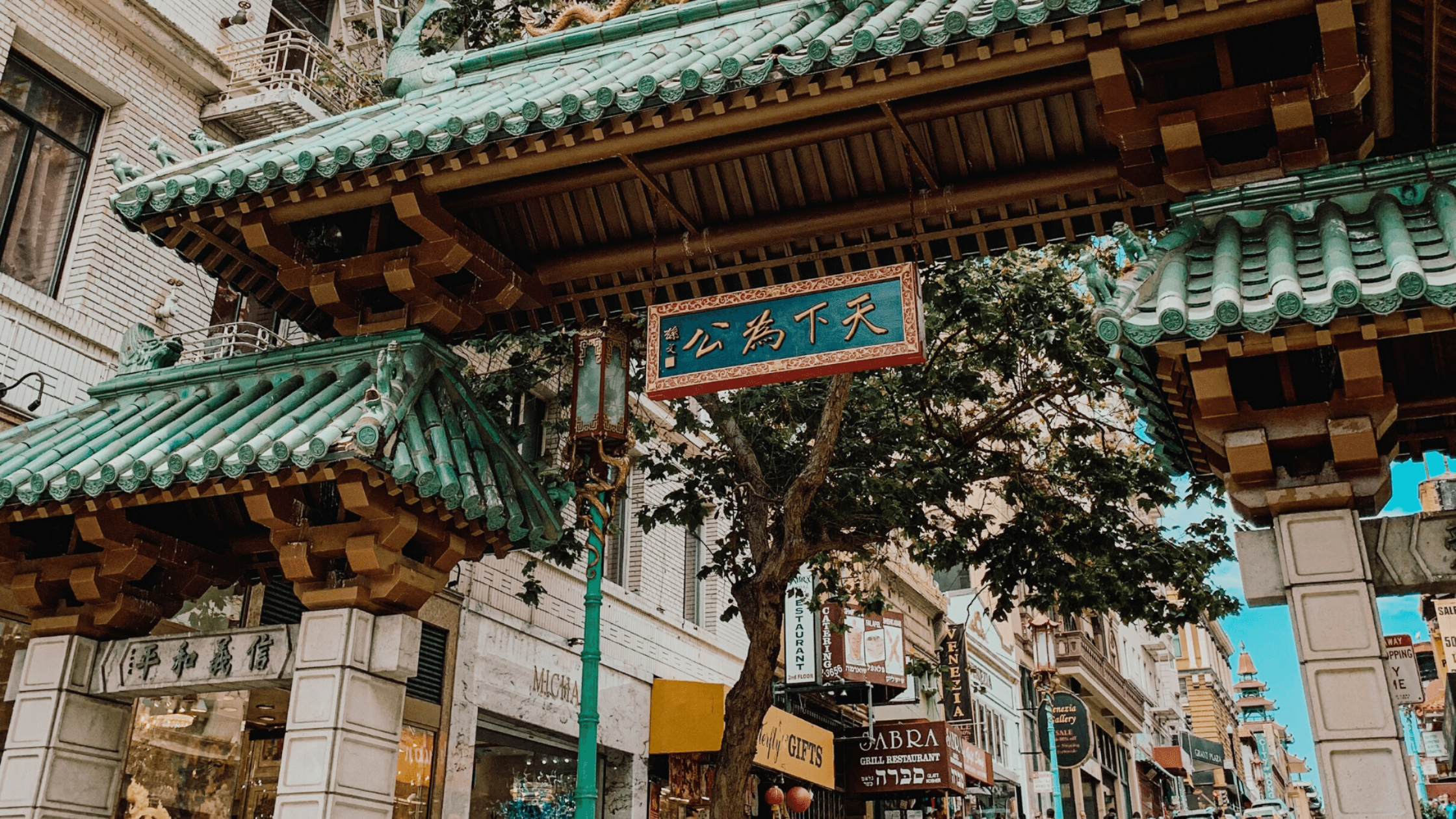
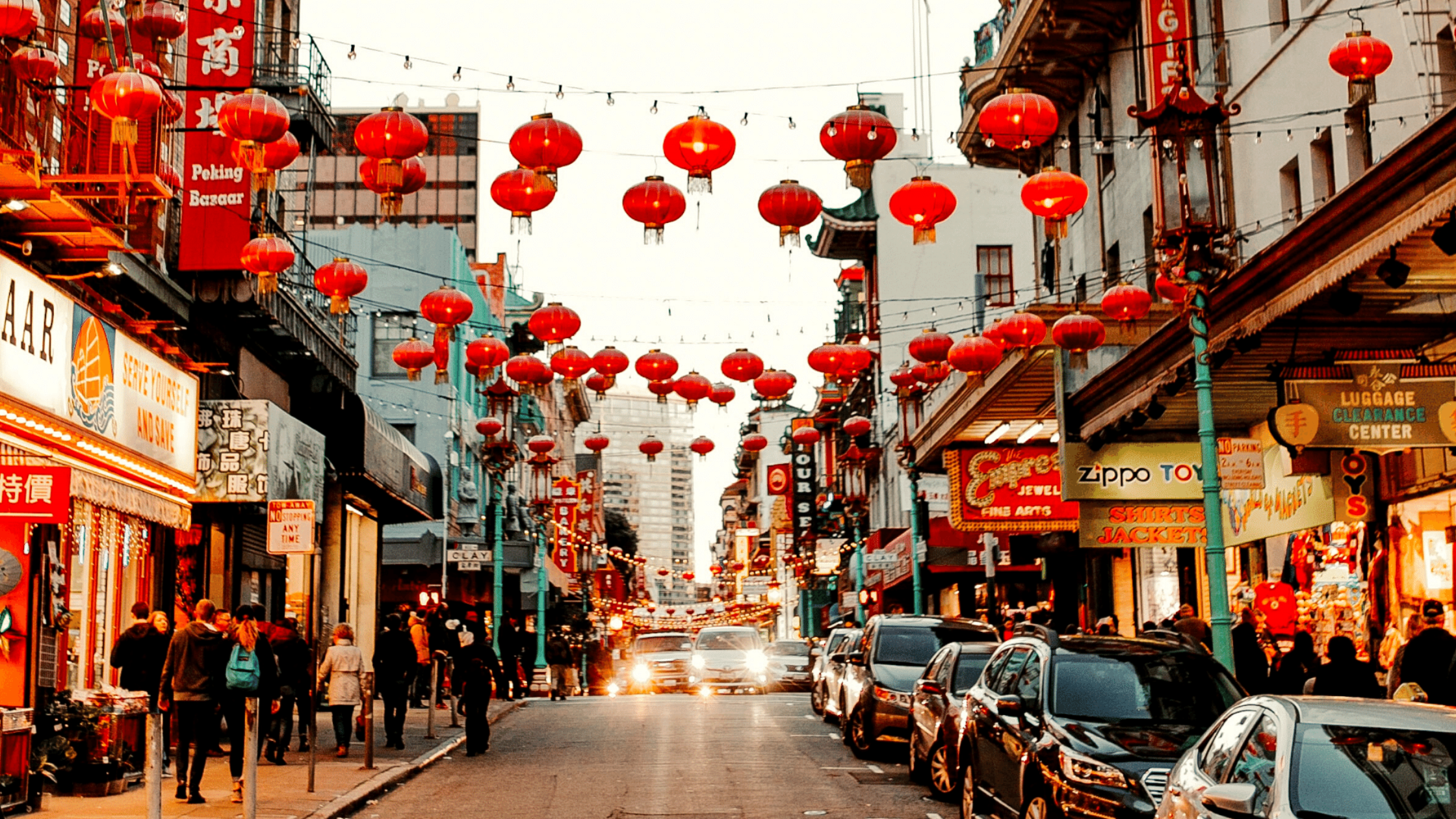
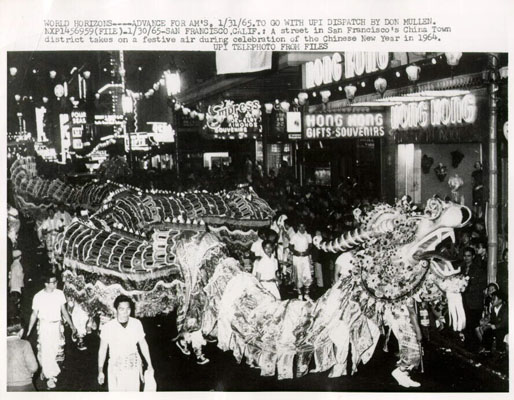
Dating to the 1848-1855 Gold Rush, San Francisco’s Chinatown is reportedly the oldest and largest Chinese community outside China. Growing 1870s-1880s hostilities forced the community into the area bounded by California, Stockton, Broadway, and Kearny Streets, creating “The City within the City” with independent banks, hospitals, schools, and social services.
The 1906 earthquake destroyed immigration records, allowing many Chinese residents to claim citizenship and bring families from China. Today’s Dragon Gates on Grant Avenue lead through streets of curio shops, pagoda architecture, and colorful paper lanterns, culminating in spectacular Chinese New Year dragon parades.
What Makes Chinatown Special:
- Self-sufficient community with own banks, hospitals, schools, and social services
- Dragon Gates main entrance on Grant Avenue at Bush Street
- Street-lined curio shops packed with trinkets and souvenirs for bargaining
- Chinoiserie pagoda architecture throughout the district
- Colorful paper lanterns strung across Grant Avenue
- Spectacular Chinese New Year dragon parade celebrations
- Living traditions both old and new actively honored and maintained
Join Gray Line’s Chinatown Food & History Walking Tour for a small-group experience that goes beyond the tourist shops to discover hidden culinary gems and centuries-old stories that locals know best. →
Civic Center San Francisco: Where Government Architecture Meets World-Class Arts
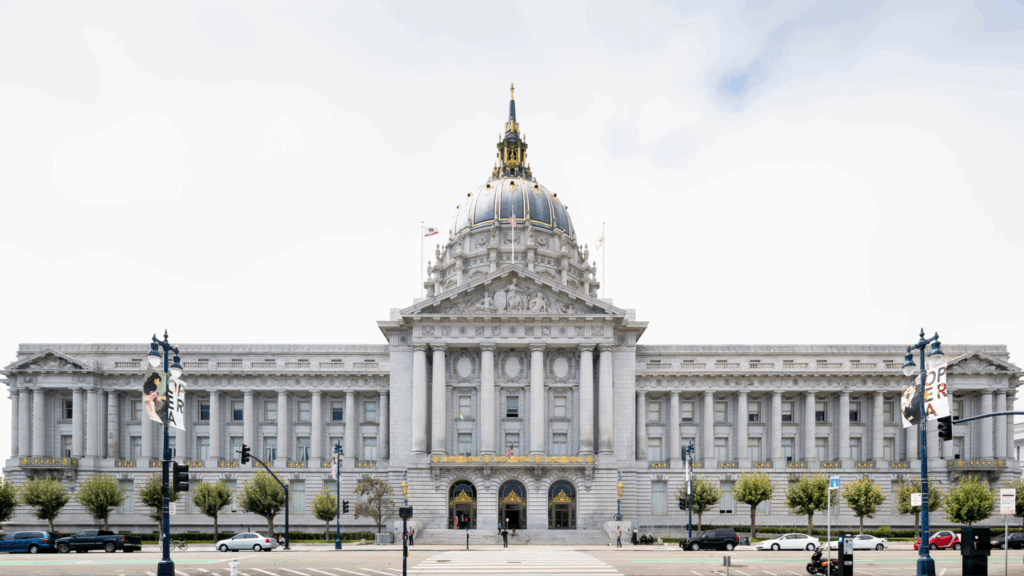
Rebuilt after the 1906 earthquake destroyed the original 1898 civic center, the innovative 1913 design combined five main buildings around a central plaza: City Hall, Auditorium, Main Library, Opera House, and State Office Building. This revolutionary concept proved government centers could nurture the arts simultaneously, enhanced by scenic Golden Gate Bridge views.
Historic moments unfolded here, including signing the Treaty of San Francisco ending the Pacific War with Japan. During World War II, the area housed Army barracks and victory gardens, adapting to serve wartime community needs. The postmodern architectural style established continues to influence new construction today.
Civic Center Historical Significance:
- Original civic center completed in 1898, destroyed in 1906 earthquake
- Innovative 1913 design combined government and arts in one district
- Site of Treaty of San Francisco signing (peace treaty with Japan)
- World War II Army barracks and victory gardens location
- Multiple plaques and statues throughout documenting historical events
- Postmodern architectural style still influences new construction
Fisherman’s Wharf: From Italian Immigrant Fishing Village to Tourist Hotspot
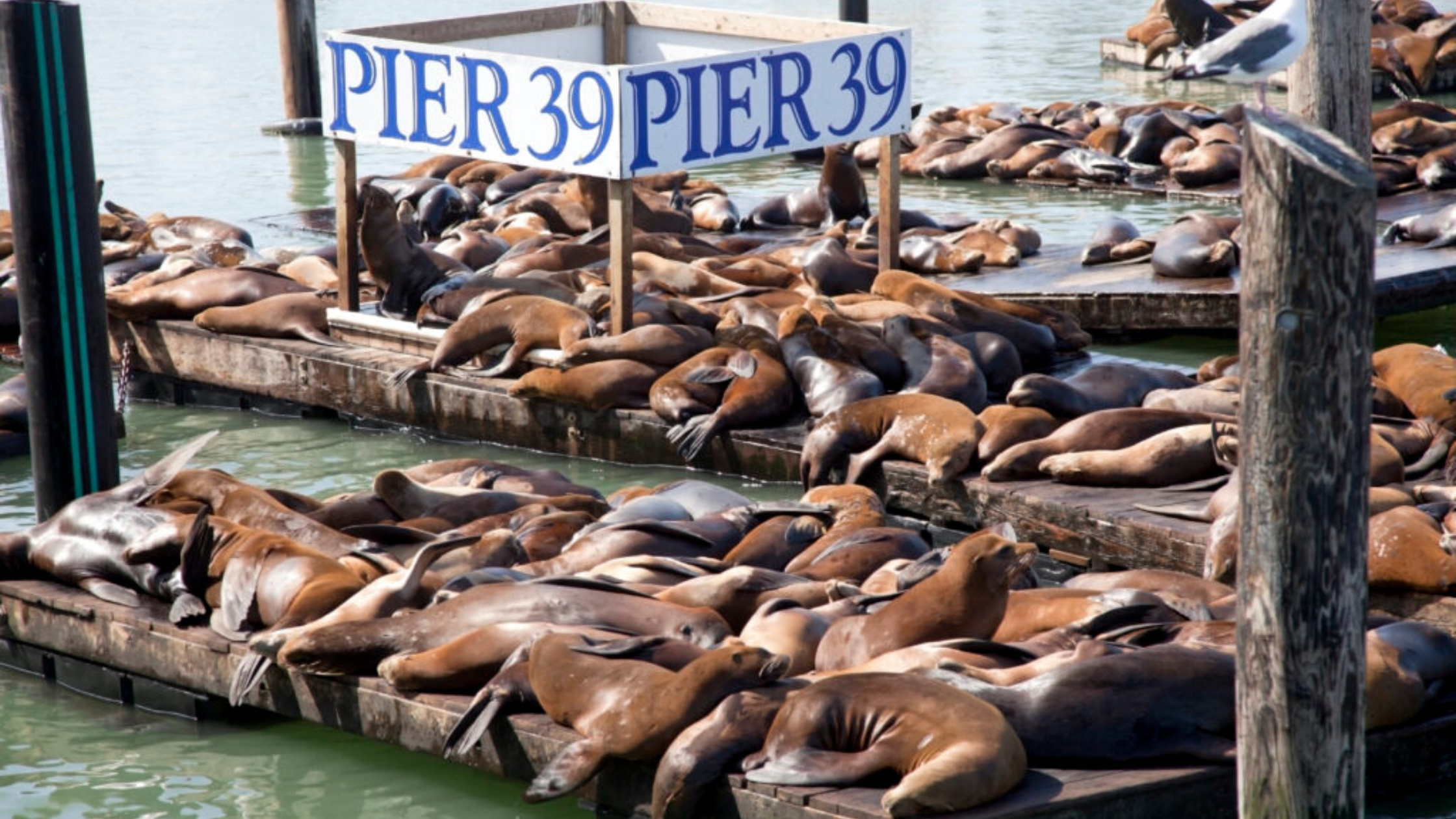
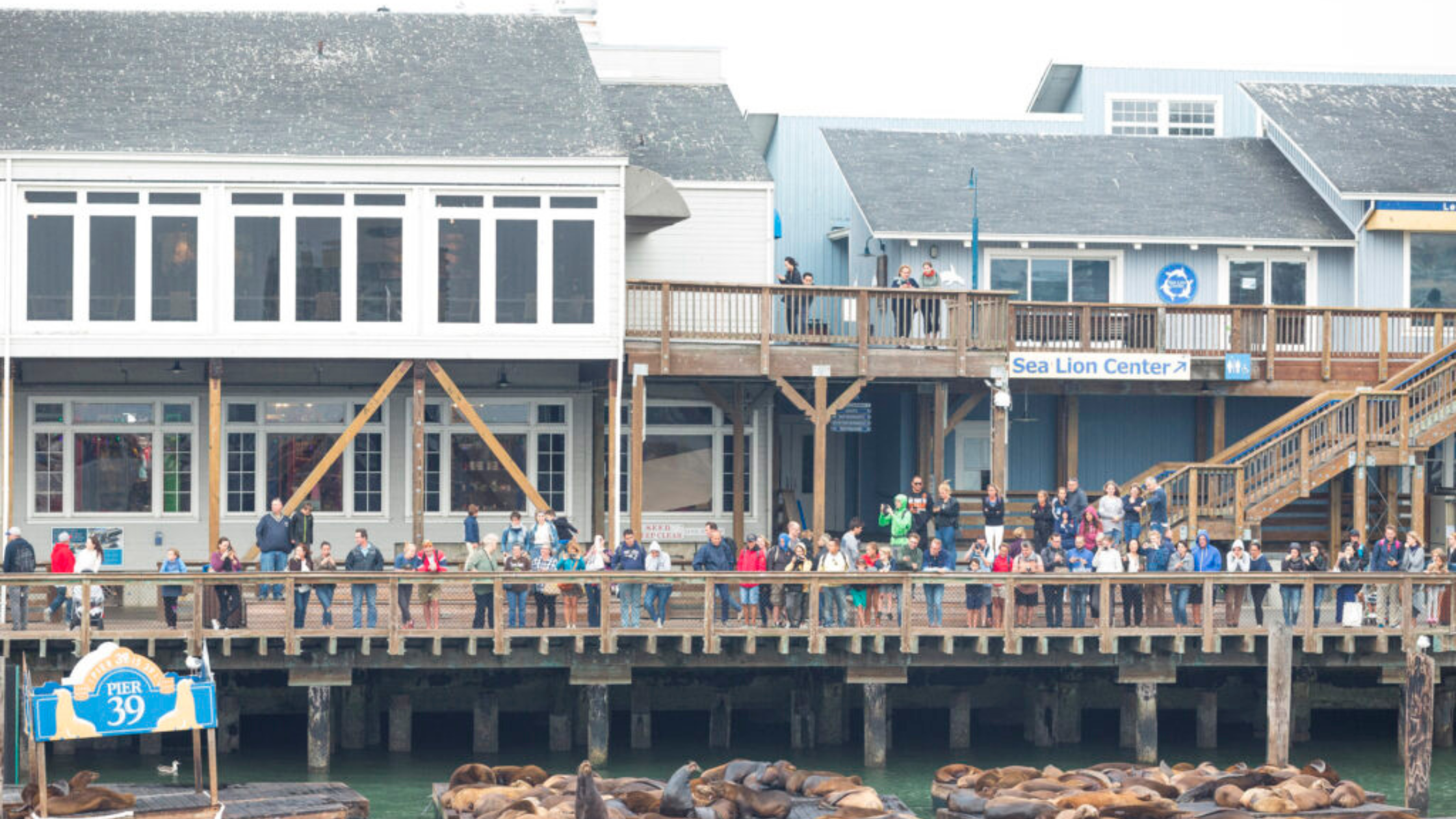
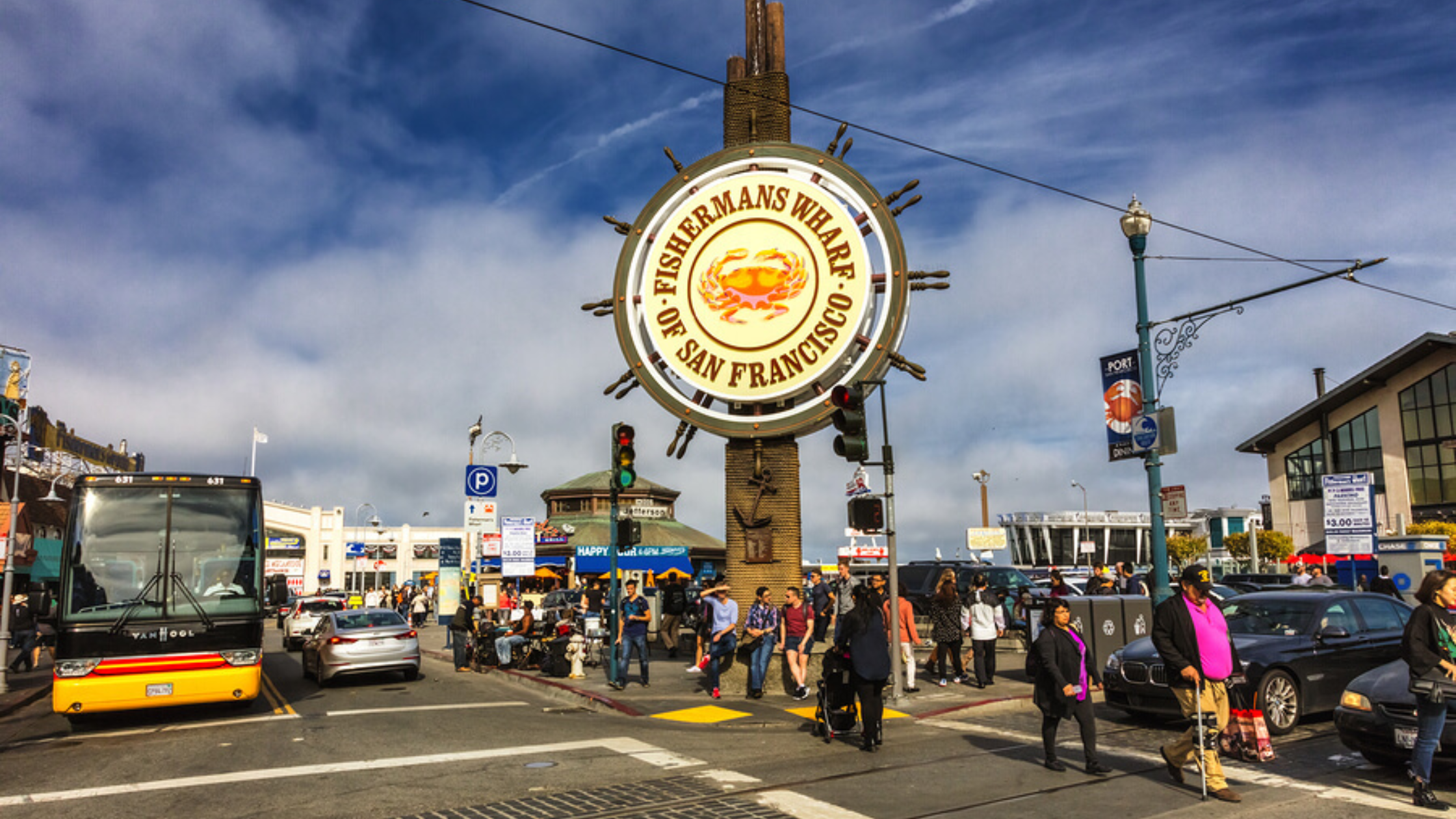
During the Gold Rush, Chinese and Italian immigrants established a thriving fishing community here, catching shrimp, oysters, crabs, and other seafood for the growing city. The wharf became famous for fishermen’s beautiful operatic songs – from arias to Verdi – that served as fog communication tools between boats invisible in the marine layer.
Technology advancement brought putt-putt boats (Monterey Hull boats) with gas engines, allowing deeper water fishing in harsh weather with larger nets. The wharf evolved from working waterfront when lumber trader Henry Meiggs brought his industry, eventually housing the world’s largest fruit canning operation and manufacturing Civil War Army uniforms.
Fisherman’s Wharf Evolution:
- Gold Rush era: Chinese and Italian immigrants established fishing community
- Famous for fishermen’s operatic songs used for fog communication
- Putt-putt boats with gas engines enabled deeper water fishing
- Lumber trading industry arrival under Henry Meiggs
- Swimming and sunbathing destination development
- Ghirardelli Chocolate Factory peak popularity period
- Civil War Army uniform and blanket manufacturing
- California Fruit Canners Association – world’s largest at the time
- Today: Rich history, Alcatraz and Golden Gate Bridge views, seafood restaurants
Welcome Tower: The Public Art Installation Tackling San Francisco’s Housing Crisis
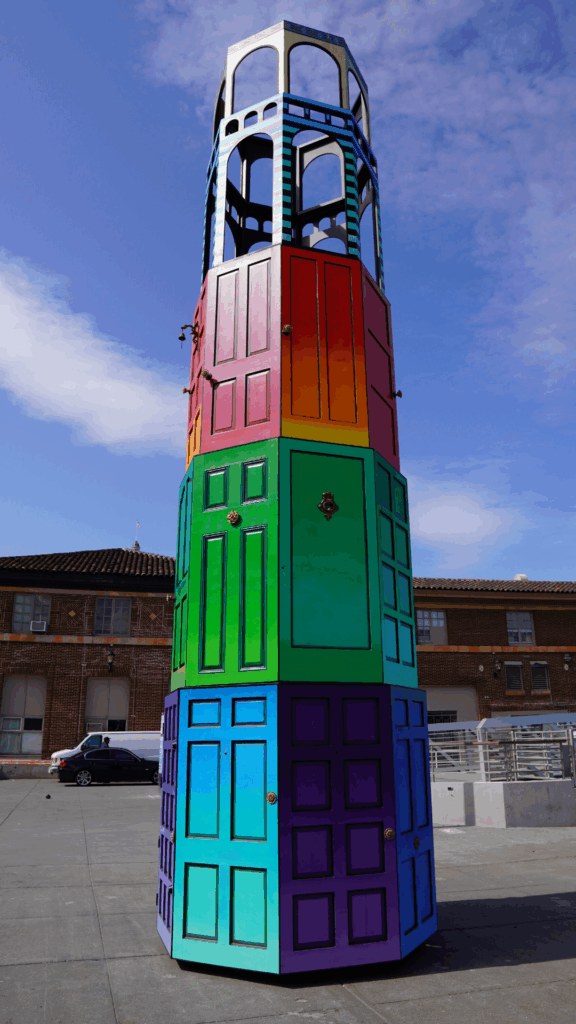
Artist Sean Orlando’s 2019 installation near Pier 14 reinterprets Coit Tower using doors from San Francisco houses. Each door features fish-eye peepholes revealing interior art while addressing the city’s housing crisis. Most parts are made from reclaimed wood, emphasizing sustainability and local history. Commissioned by Unison real estate as a community gift, Mayor London N. Breed noted it “serves as a reminder of the importance of working together to build more affordable housing and ensuring that every San Franciscan has a safe place to call home.” The 30-foot tower highlights how many artists are being forced from San Francisco, challenging the city to maintain its creative foundation.
Welcome Tower Details:
- 30-foot tall public art installation designed by Sean Orlando (2019)
- Located near Pier 14 on the Embarcadero
- Reinterprets San Francisco’s iconic Coit Tower design
- Doors selected from San Francisco houses to address local culture and history
- Made from reclaimed wooden materials for sustainability
- Fish-eye peepholes allow visitors to look inside and discover more art
- Addresses San Francisco’s housing crisis through artistic commentary
- Commissioned by Unison real estate as gift to the city and community
The Castro District: Why This San Francisco Neighborhood Became a Global Symbol of LGBTQ+ Pride
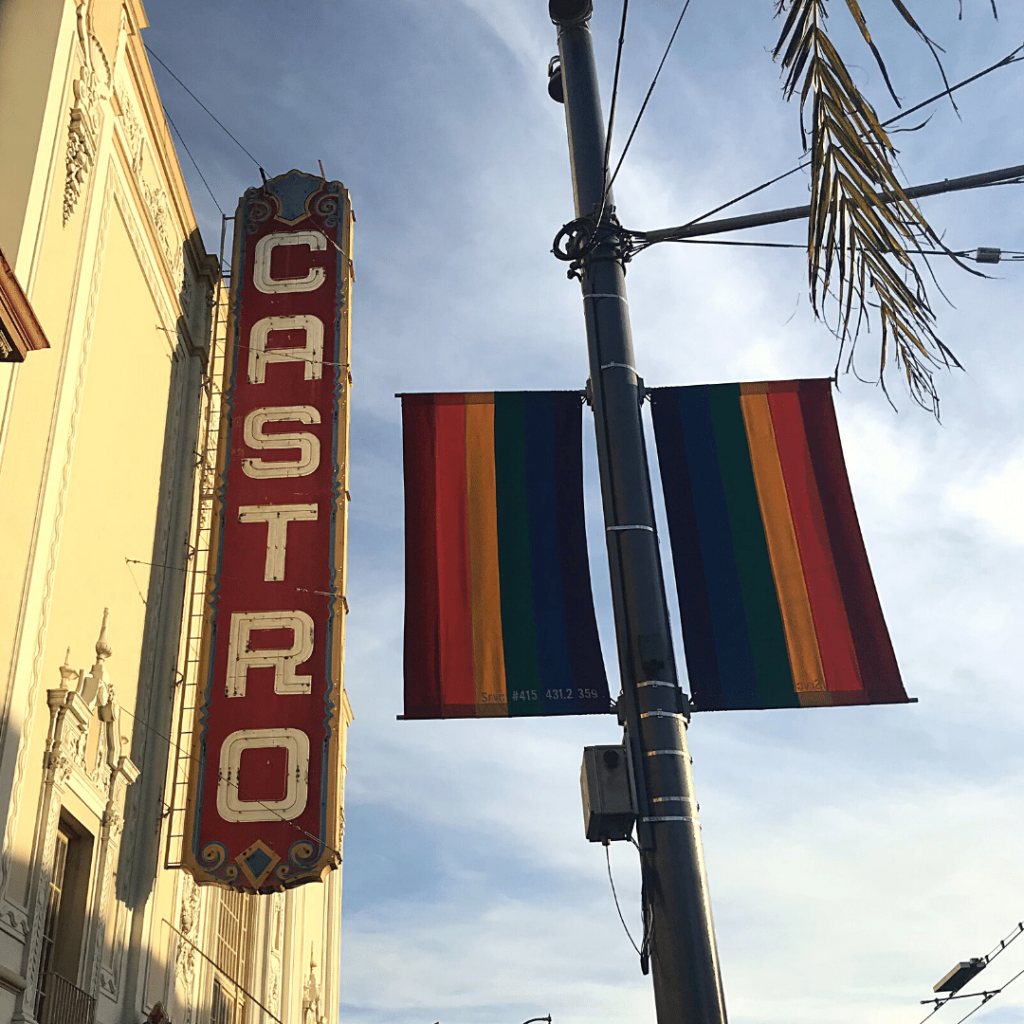
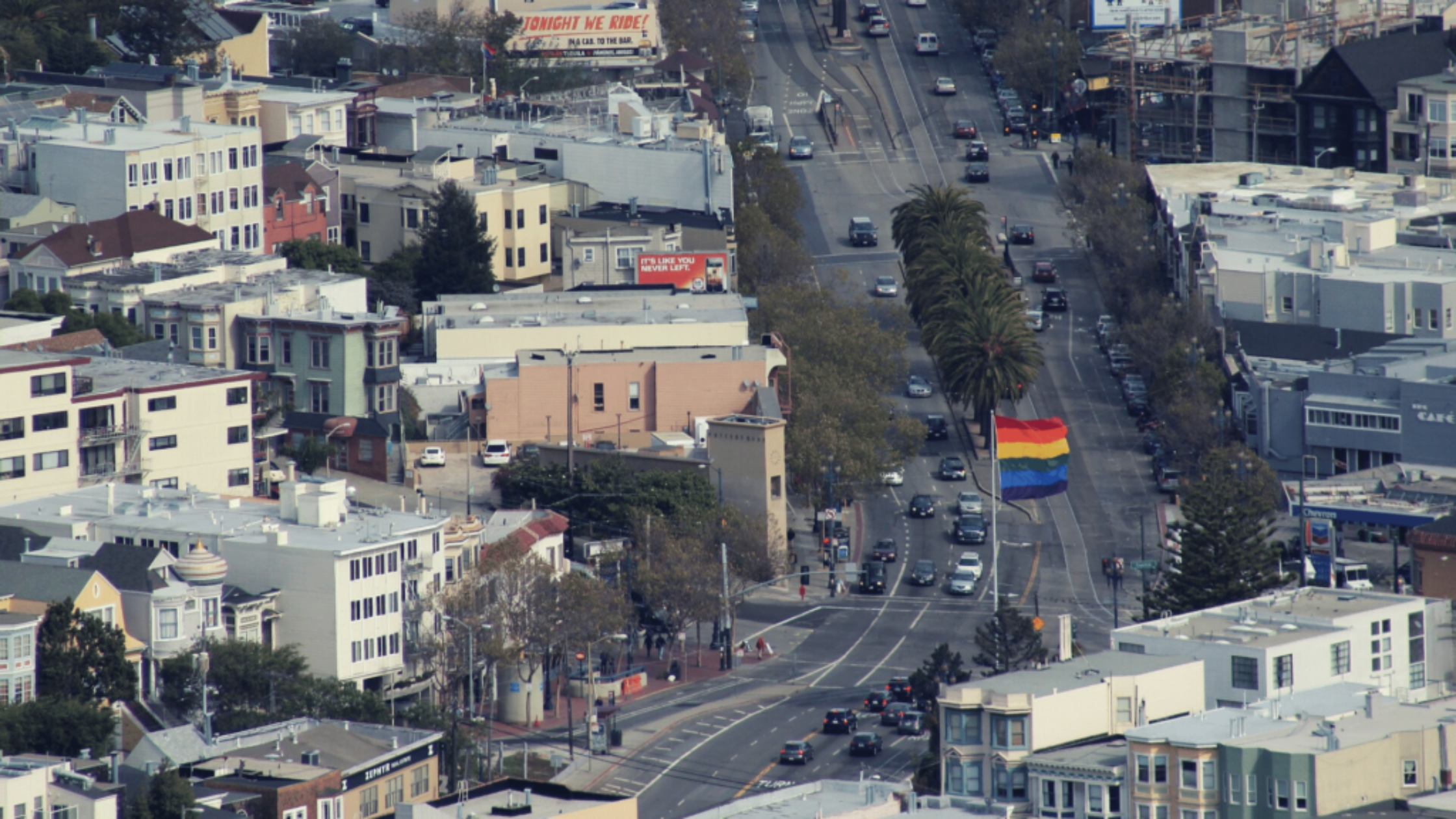
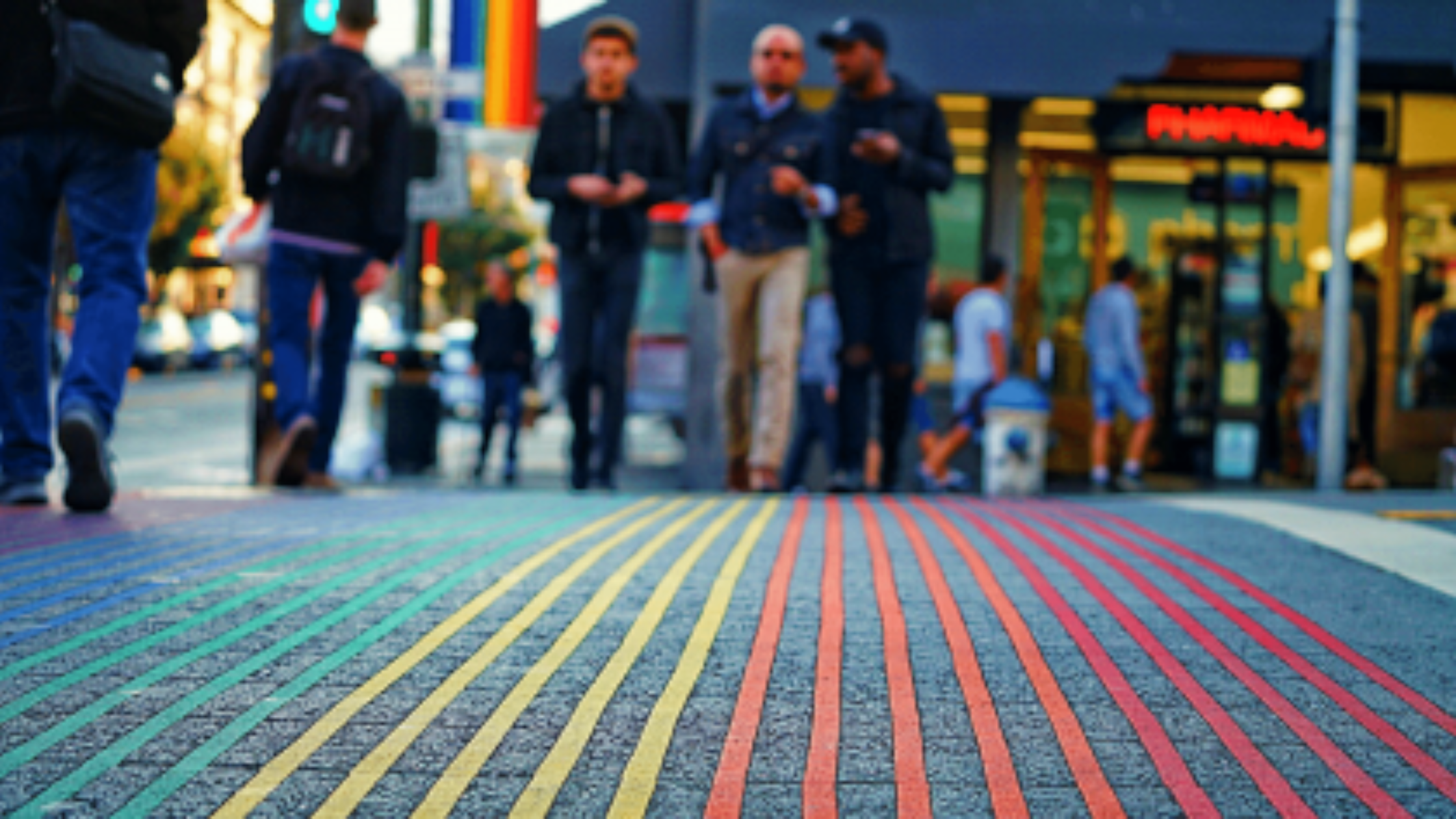
This iconic district truly embodies “all are welcome” as lived reality, where individuals are embraced for their authentic selves rather than marginalized or ostracized. The multi-colored flag flies high as a beacon for the unrepresented and misunderstood, creating a space where people are welcomed however they identify.
The 1922 Castro Theatre maintains original pageantry and charm with frescoes, velvet armchairs, and organist performances before curtain rise. Classic films and animation screenings attract boisterous crowds for sing-along events creating “Rocky Horror Picture Show” interactive atmosphere. Beyond exceptional dining and nightlife, the Castro represents decades of struggle and celebration.
Castro District Attractions:
- Castro Theatre (built 1922): Original frescoes, velvet armchairs, pre-show organist performances
- Classic films and animation with interactive sing-along events
- Diverse restaurants offering exceptional dining experiences
- Vibrant nightlife with bars and cafes throughout the district
- Street walking experiences engaging all the senses
- Eye candy for people watchers and social observers
- Rich, robust, fabulous district atmosphere
- Model for inclusive communities worldwide where authentic self-expression is celebrated
From Baker Beach’s military origins to the Castro’s celebration of diversity, San Francisco’s landmarks tell stories of human ambition, creativity, and resilience. These living monuments offer more than tourist destinations – they provide meaningful glimpses into the diverse communities that shaped this remarkable city by the bay, each contributing unique chapters to San Francisco’s ever-evolving story.
Don’t just read about these incredible places – experience them yourself!
Gray Line of San Francisco’s San Francisco Grand City Tour takes you to many of these iconic landmarks and hidden gems in comfort and style. Let our expert local guides share the fascinating stories, insider tips, and historical details that bring each location to life. Skip the hassle of navigation and parking while discovering the best views, photo opportunities, and cultural insights San Francisco has to offer.
🌉 Book Your San Francisco Grand City Tour Today →